Teaching Methods That Work
We've refined our approach through years of practice. Every course reflects what actually helps students grow their sound design skills.
Why Our Approach Matters
Sound design education often feels disconnected from real production work. Students memorize plugin parameters but struggle when facing an actual mix. We built our methodology around closing that gap.
Each course combines structured learning with hands-on projects. You'll work with the same tools professionals use, solving problems that mirror real studio scenarios. No fluff, no theoretical detours.

Verse-Chorus Foundations: Building Songs That Stick
Learn how verse-chorus structure works in practice, from tension building to memorable hooks that listeners actually remember.
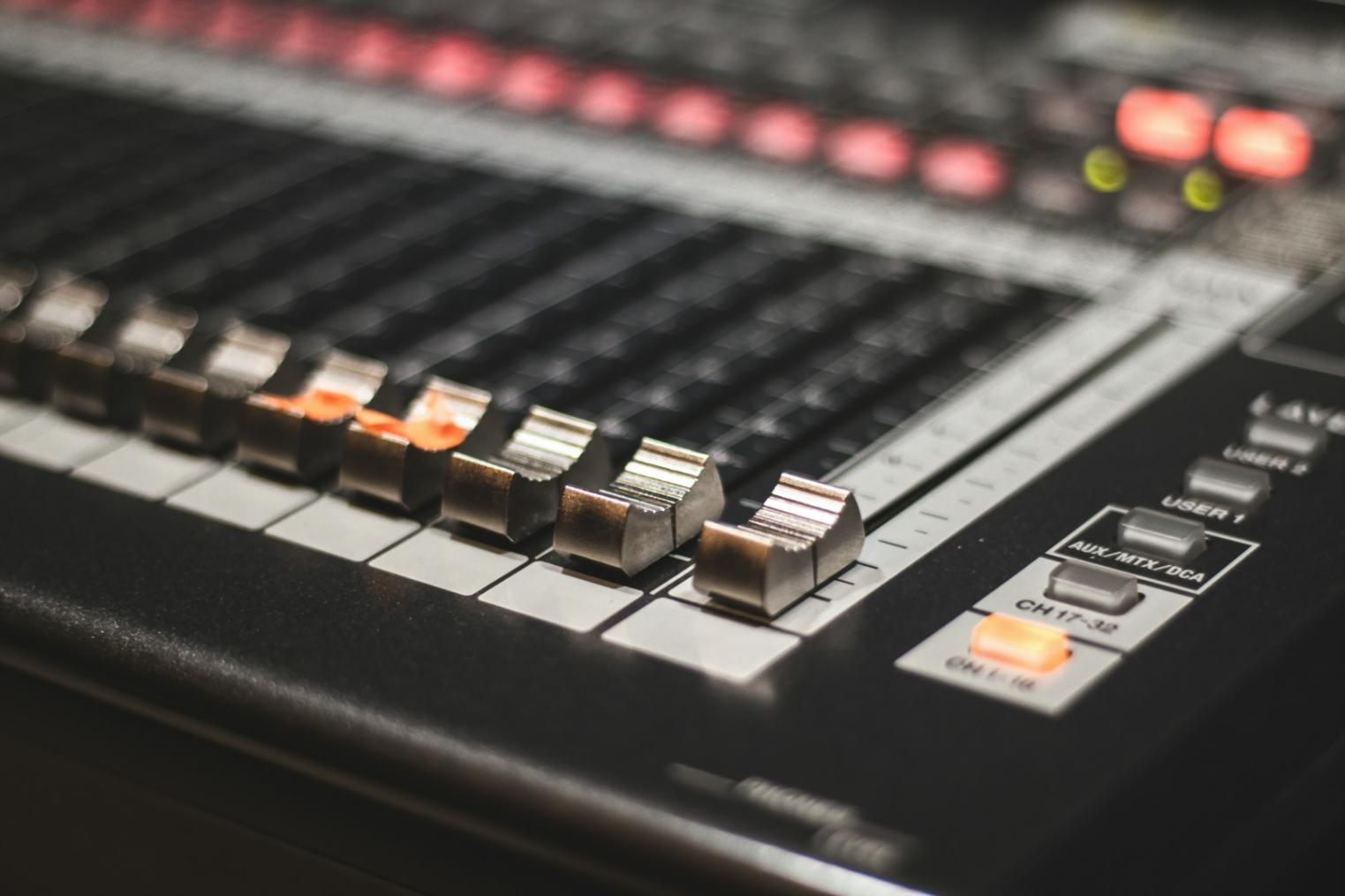
Why Most Bridges Fail (And How to Write Ones That Work)
Bridges either elevate your song or waste 30 seconds. Learn what makes a bridge functionally effective beyond just being 'different.'
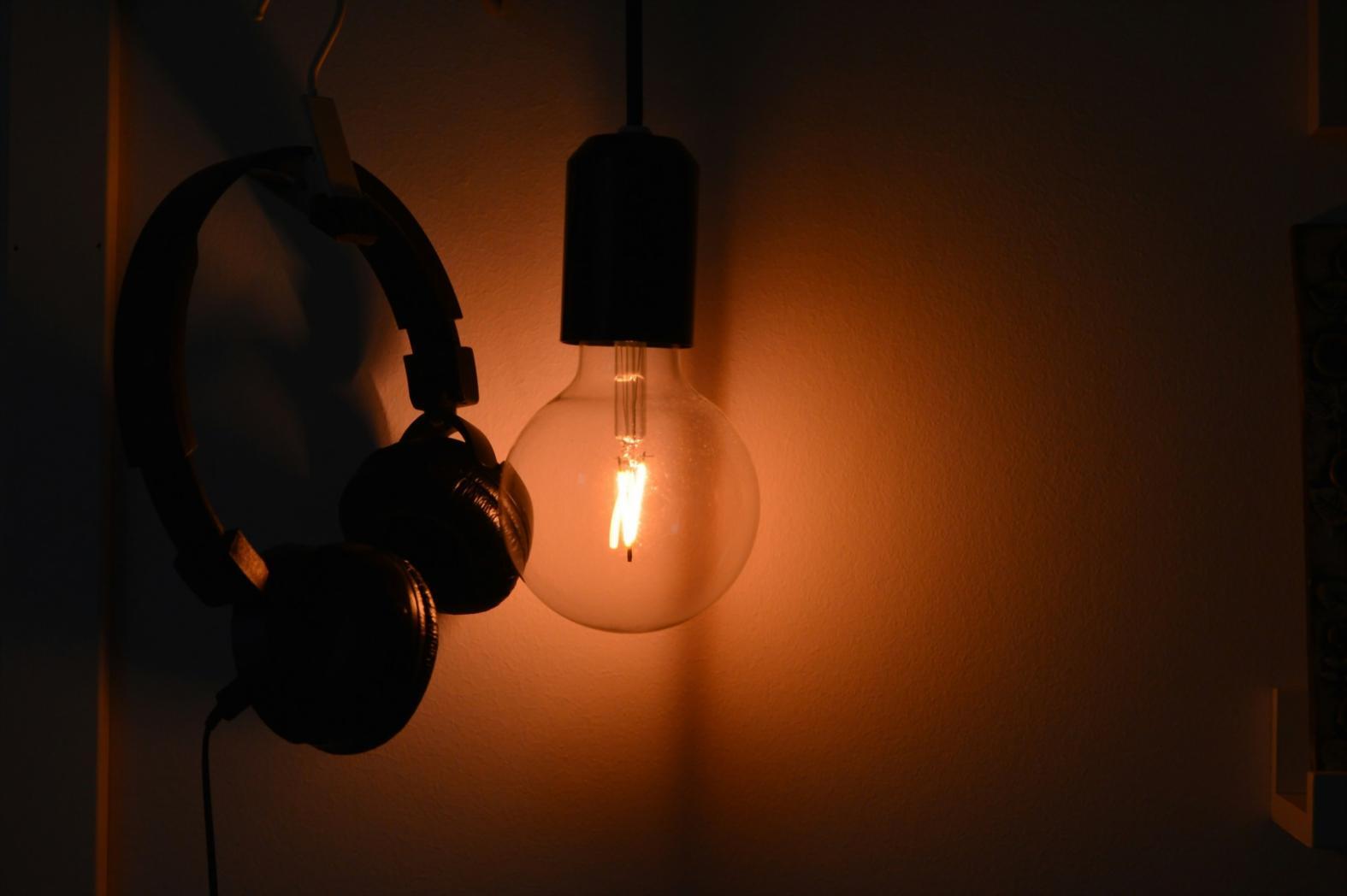
Songs Without Choruses: Alternative Structures That Actually Work
Not every song needs a chorus. Explore through-composed, AABA, and narrative structures that maintain listener interest without traditional repetition.
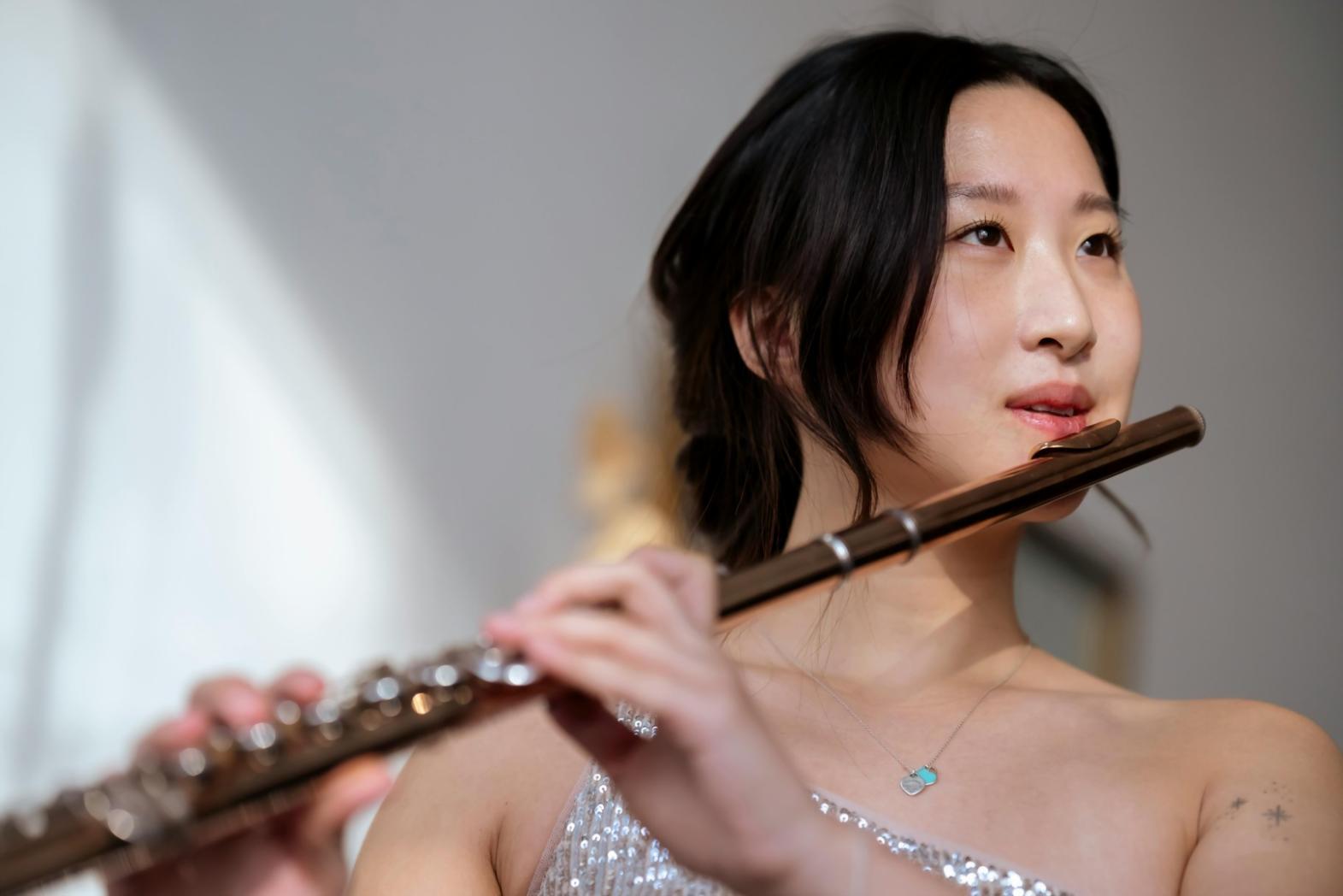
Pre-Chorus Mechanics: Building Momentum Between Verse and Chorus
Pre-choruses create anticipation and smooth energy transitions. Learn how to write them so they actually build momentum instead of just filling space.
How Sessions Run
Initial Assessment
We start with a short conversation about your current experience and what you want to achieve. This helps us match you with the right course level and instructor.
Structured Sessions
Each lesson covers specific techniques with practical examples. You'll work through exercises that build on previous material, gradually increasing complexity.
Project Feedback
Submit your work between sessions and get detailed feedback. Instructors point out what's working and suggest specific improvements for your next iteration.
Skill Application
Final weeks focus on complete projects where you apply everything learned. This bridges the gap between exercises and real production scenarios.